Fixing whatthe numbersalready told you

Firecourse is a menu engineering and back-of-house consultancy in Chicago. Since 2009 we have worked with independent operators and small groups on the two things that decide whether a good restaurant survives a bad quarter: what is on the menu, and how the kitchen gets it out.

How an engagement runs
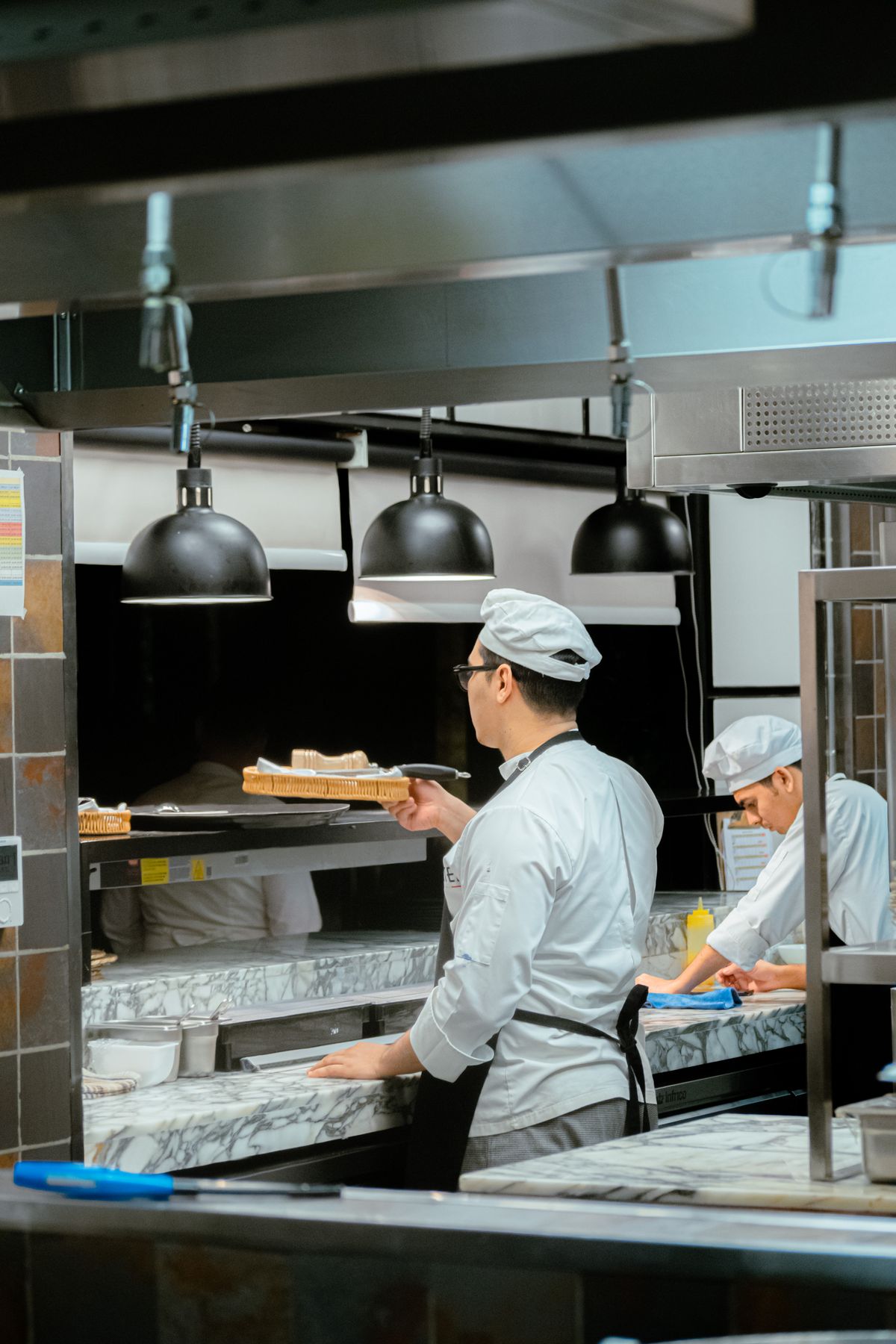
Two cooks working a service line at the pass

Working with operators who cook for a living

Five kinds of kitchen, one method. We do not take work from chains above eight units, because the problems stop being about the food and start being about procurement politics.

Independent restaurants Two to eight unit groups Hotel and club dining High-volume casual Pre-opening projects
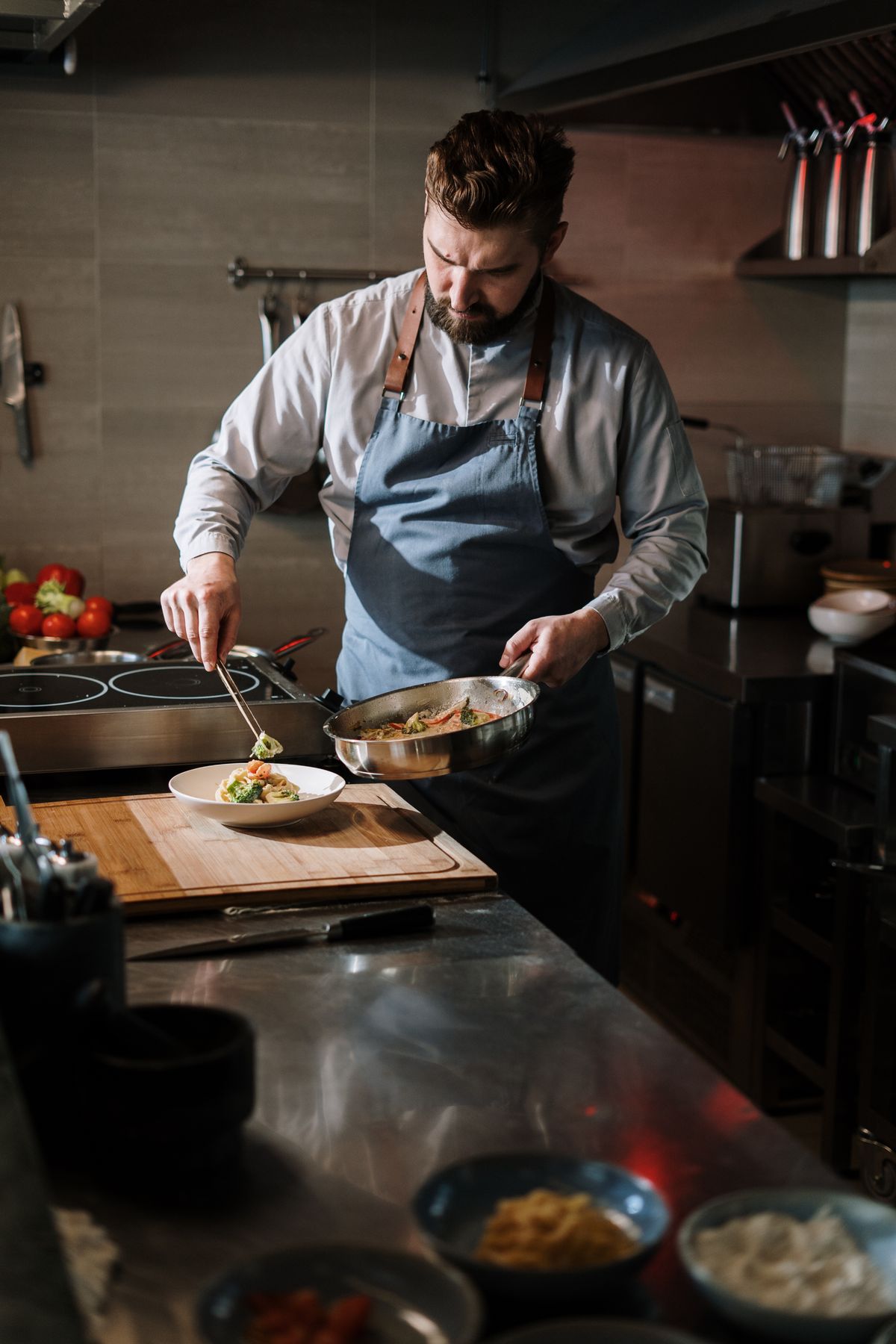
Cook finishing a plate on a stainless bench

Seventeen years of margin work

Every number below comes from engagements that ran to completion and were re-measured at least ninety days after we left. Engagements that ended early are excluded, and there have been four of those.

214Kitchens engaged since 2009
4.6Median point gain in food cost margin
11Consultants, all of whom have run a line
90Days after handover we re-measure, at no charge

What changed on the line

“Fourteen items came off the menu, the remaining plates were re-costed against the same purveyor invoices, and ticket times at the pass fell by just over four minutes on a Friday service. Revenue was flat for six weeks, then up eleven percent.”

Neighborhood Italian, 96 covers, West Town — engagement closed 2025, re-measured at 90 days

More casework

Four ways in

Most kitchens need one of these, not all four. We will say which one, and we will say if the answer is none of them.

Menu engineering

Item-level costing against real invoices, contribution margin against actual mix, and a menu that puts the plates you want sold where people look. Six weeks, typically.

Back-of-house operations

Prep systems, par levels, waste capture, station layout and ticket flow. Measured on the line during service, not reconstructed afterwards from a POS export.

Pre-opening

Critical path from lease to first cover: equipment schedule against the menu, staffing model, opening par sheets and a menu that a new brigade can actually execute.

Line training

Two days on your own stations, aimed at consistency rather than technique: the same plate leaving the pass at 11pm as at 6pm. Your team keeps the station manual.
Start with one service

Every engagement begins with a paid day on your line during a busy service. At the end of it you get a written read of what we saw and a recommendation, which is sometimes that you do not need us. That day is billed whether or not anything follows.

Arrange a service visit
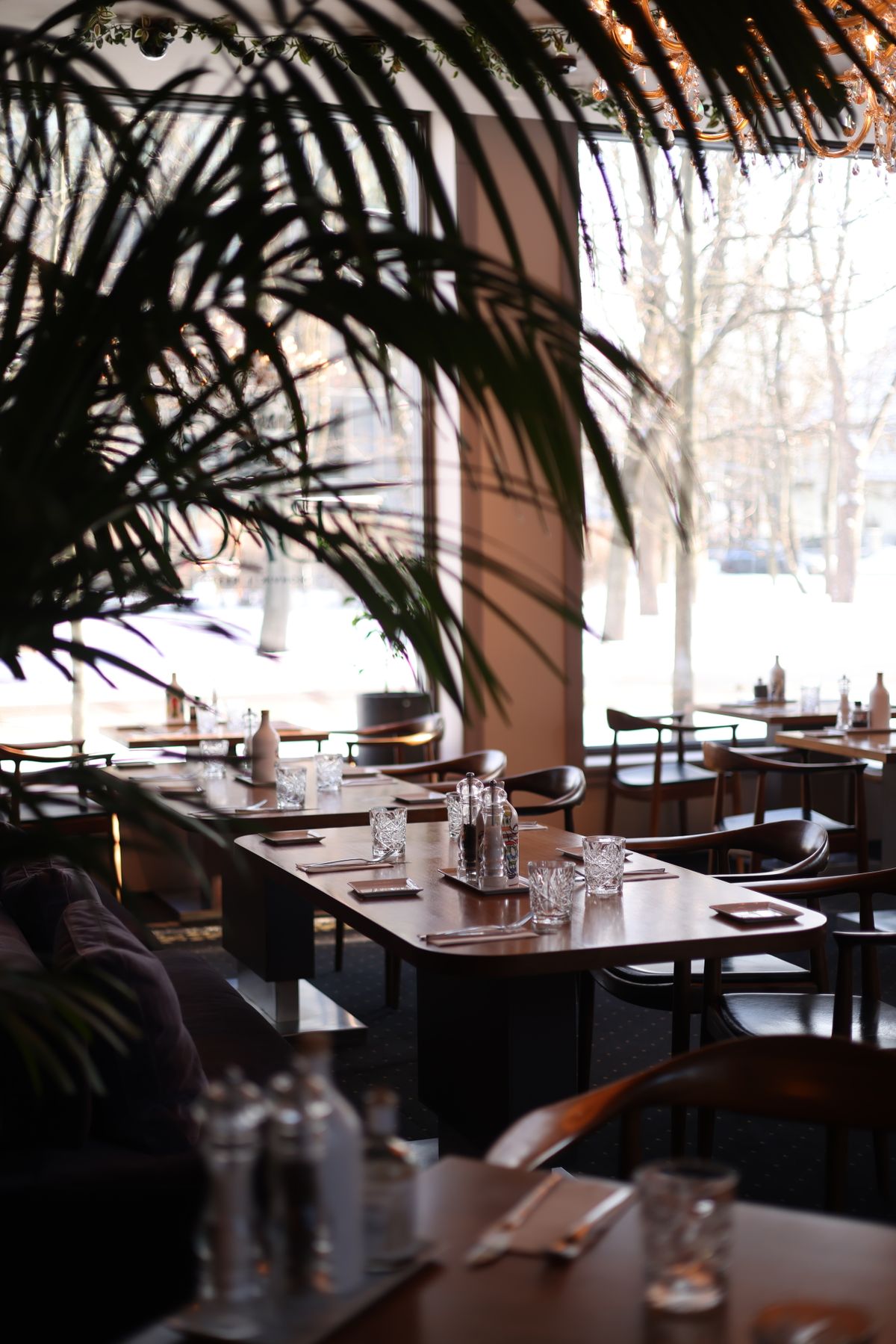
Dining room set for service with daylight through the windows